


Choosing a backlit poster frame
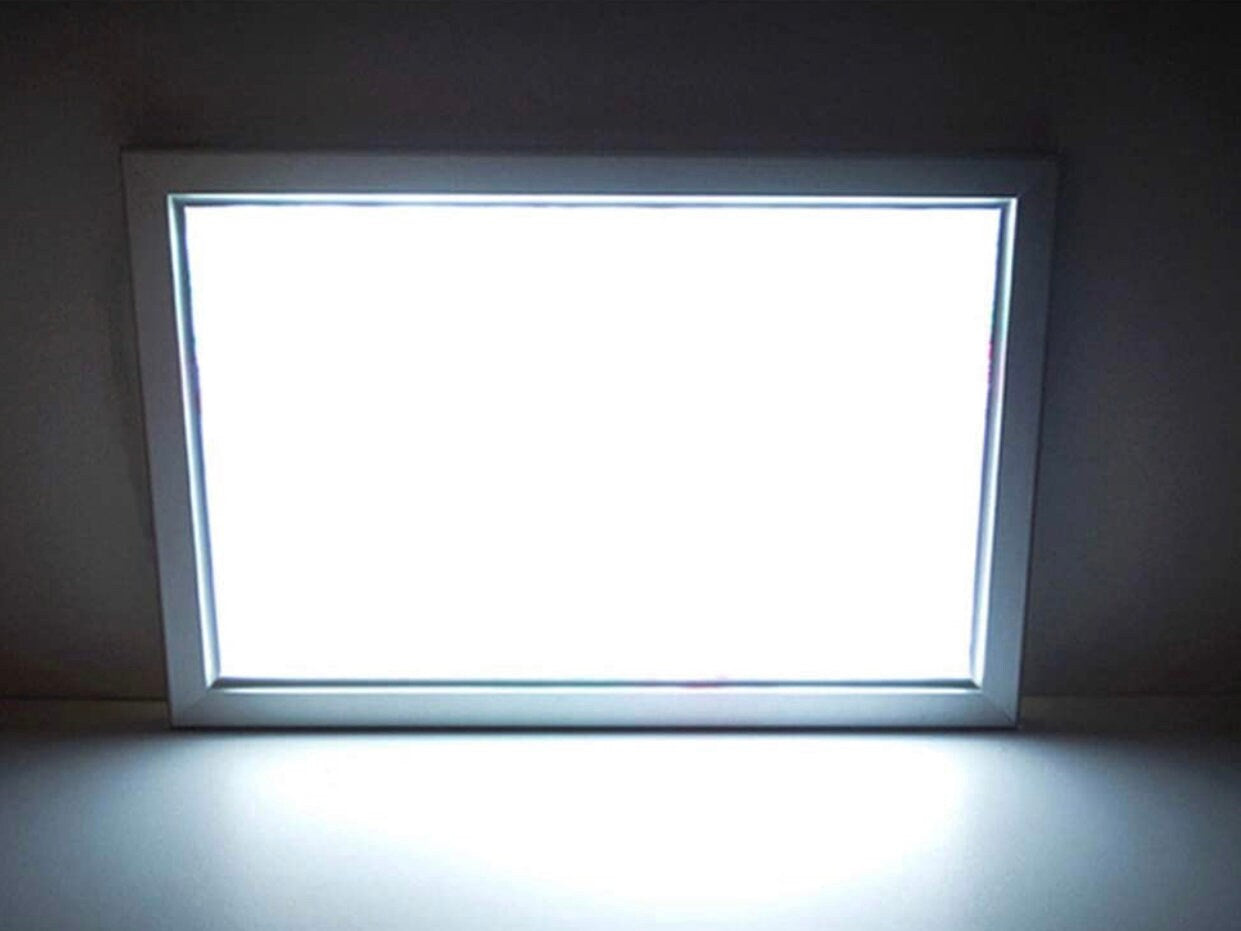
A lightbox frame lights a printed poster from behind. The hardware stays and the poster changes, which suits content that rotates — menus, seasonal promotions, price lists, event listings — rather than a fixed identity, which is generally better served by fabricated signage.
Plan the power first
A backlit frame needs an outlet within reach of the position you have in mind. Deciding the location before checking power is a common reason a lightbox ends up somewhere less useful than intended, so confirm it early. Where a unit needs a permanent electrical connection, mounting at height, or fixing to a shopfront you do not own, arrange the installation through a suitably qualified person.
Ask about the print stock
Prints for a backlit frame are not the same as an ordinary poster, and the difference is visible once the unit is lit. Talk to us about which stock is required for this frame before ordering the insert, and consider ordering a spare if the display is somewhere difficult to access.
Designing for a lit panel
Large areas of solid dark colour can go muddy when lit from behind, so building the design around lighter grounds usually works better. Keep contrast strong and avoid very fine reversed type. Allow for the frame edge covering the outer margin of the print, and keep nothing critical there.
Preparing your artwork
A vector PDF is the preferred format. If your artwork is raster, supply a high-resolution file built to the final size and to the template supplied for this frame, keeping bleed and safe-area margins as that template sets out.
